Flying to Liberia (LIR): Nonstop Routes, Drive Times, and What to Expect on Arrival

Aerial view at sunset over the headlands and bays of the Guanacaste coast near Playa Ocotal

There are two international airports in Costa Rica, and choosing the wrong one costs you a day of your vacation. If you are coming to Guanacaste — to Playa Ocotal, Playas del Coco, Papagayo, Flamingo, anywhere on this coast — you want Liberia.

Here is everything we tell guests before they book, in the order it matters.

Liberia, not San José

Guanacaste Airport (LIR), officially Daniel Oduber Quirós International, sits about 30 kilometres inland from the coast. San José’s airport (SJO) sits on the other side of the country. The drive between the two is roughly 210 kilometres and three and a half hours on a good day; from SJO down to Playas del Coco is four to five hours by private transfer.

Fly into San José for a Guanacaste trip and you have signed up for eight hours of driving you did not need to do. On a seven-night stay, that is more than a day.

From LIR to Mar-a-Selva is about 29 kilometres and roughly 35 minutes — call it 45 once you have collected a rental car and made one wrong turn. The route is Route 21 to Route 151, paved the entire way, well signed, and perfectly drivable in a sedan.

Who flies there nonstop

LIR has quietly become one of the best-connected small airports in Central America. It posted its best quarter in history in early 2026 — 793,075 passengers, up 12% year over year — and the national tourism numbers show growth tilting toward Liberia rather than San José.

Year-round US nonstops run from Los Angeles, Charlotte, Dallas/Fort Worth, Miami, Atlanta, Fort Lauderdale, New York JFK, Denver and both Houston airports, on Alaska, American, Delta, JetBlue, Southwest and United. From roughly December through April the list close to doubles, typically adding San Francisco, Seattle, Chicago, Philadelphia, Boston, Detroit, Minneapolis, Baltimore and Newark. Canada is unusually well served too — six cities across Air Canada, WestJet, Porter and Air Transat.

Seasonal schedules move around, so check the airport’s own destination list when you are actually booking rather than trusting any article, including this one.

What you need to get in

Less than you think. Per Costa Rica’s tourism board and the US State Department, US citizens need:

  • A valid passport. Note that Costa Rica has no six-month validity rule — the State Department says “valid for the period of the stay.” Three to six months of runway is still sensible, but it is not a legal requirement here.
  • Proof of onward or return travel. This one is real and airlines check it at US-side check-in.
  • Proof of funds — nominally US$100 per month of stay.

There is no mandatory pre-arrival online form. The pandemic-era health pass is gone, and Costa Rica does not ask for the digital declarations you may have filled out for other countries lately. If you read otherwise on a travel site, check the tourism board’s page above before you spend twenty minutes on a form that does not exist.

The $29 departure tax is almost certainly already inside your ticket — it has been bundled by most carriers since 2014. Look for a line like “International Boarding Tax” in your fare breakdown.

One thing that is coming but is not here yet: Costa Rica is rolling out biometric e-gates, with US and Canadian passports next in line after Costa Rican nationals. No date has been set. Until then, nothing changes for you.

What arrival actually feels like

LIR is open-air. You come down the airstairs onto the tarmac and walk to the terminal, and the heat arrives all at once — this is the moment people remember. It is 30-something degrees and humid and completely unlike whatever you left.

Immigration is usually 30 minutes to an hour, occasionally longer when several flights land together. That compares favourably with San José, which has been running two-hour waits at peak and has started selling a $100 fast-track product to manage it. LIR sells nothing of the kind, because it does not need to.

Baggage is one room with a handful of carousels. Customs is a button: press it, get a green light or a red one, and either walk out or have a bag scanned. It takes a minute.

One note for the next year or so: LIR is in the middle of a $6 million modernization running into the first half of 2027 — a new VIP lounge, an expanded gate, more parking. Expect some construction hoarding.

The rental car trap

This is the single thing that catches the most first-time visitors, so read this paragraph twice.

Costa Rica requires third-party liability insurance — responsabilidad civil — on every rental. You cannot decline it, and third-party booking sites routinely quote you a price that does not include it. The real cost is roughly $10 to $25 a day on top of whatever you were quoted. One widely cited example: a week quoted online at $71.99 became $145.25 at the counter with mandatory coverage alone.

The rule of thumb is simple. Double the advertised daily rate and you will be close.

Also budget 30 to 45 minutes after you exit the terminal: most agencies at LIR are off-site, and a representative meets you outside with a sign and shuttles you to their lot.

You do not need a 4×4 for this coast. Everything between LIR and Ocotal is paved. A sedan or small SUV is fine; higher clearance is only nicer for hillside driveways, not necessary.

If none of that appeals, there is a simpler option.

The easiest arrival: let us collect you

We arrange airport pickup from the house. A driver we know and use meets you inside the terminal with your name on a card, takes the bags, and you are moving within ten minutes of clearing customs. No shuttle to an off-site lot, no counter, no insurance conversation at the end of a travel day, no navigating an unfamiliar road in the dark on your first night.

Door to door it is about 35 minutes, and it is the arrival our guests consistently say they would repeat.

The obvious question is whether you then feel stranded without a car. In practice, no — and this is the part people do not expect. The house manager books and arranges every excursion with pickup at the door: the catamaran out of Playas del Coco, a fishing charter, the volcano, the waterfall, a grocery run, a night out in Coco. You get driven, you get collected, and nobody in your group loses an evening to being the designated driver. Ocotal beach is five minutes away and a taxi there costs a few dollars.

A rental car earns its keep if you want to chase beaches down the coast on a whim. For most weeks here, it is a cost and a chore that buys very little.

Tell us your flight number when you book and the pickup is arranged before you land. If your flight is delayed, the driver tracks it — you do not need to message anyone.

Getting online

Three carriers operate here — Kolbi, Claro and Liberty. Worth knowing: in Guanacaste specifically, Liberty tends to edge out Kolbi on coverage, even though Kolbi is stronger nationally.

Do not count on buying a SIM at the airport — sources conflict on whether there is a desk in arrivals, and the nearest Kolbi office is fifteen minutes away in Liberia town. An eSIM bought before you fly is the clean answer: it activates on landing and you keep your US number live.

One stop before the villa

Playas del Coco is five minutes from Ocotal and has everything. Auto Mercado, in the Pacifico Village centre, is the premium option — real deli counter, imported cheese, a serious wine aisle. Super Compro downtown is cheaper for staples. Luperon, across from Auto Mercado, is the local market for rice, beans and bulk goods.

That said: if you are staying with us, tell us what you drink and what the kids eat and it will be in the house when you arrive. The stop is optional.

The short version

Fly to Liberia. Bring a passport and a return ticket. Send us your flight number and let us collect you — it is the cheapest hour of stress you will ever save. Allow about an hour and a half from wheels-down to the villa gate, and if you land before three in the afternoon you will be in the pool before sunset.

Check available dates at Mar-a-Selva →

The post Flying to Liberia (LIR): Nonstop Routes, Drive Times, and What to Expect on Arrival appeared first on Mar-a-Selva.

Birdsong, Logged: The BirdWeather Station at Mar-a-Selva

Pink bougainvillea in flower above the bay, with rocky islets offshore

At three in the morning the hillside above Playa Ocotal is not quiet. It is only unlistened to.

There is a small weatherproof box in the trees at Mar-a-Selva that does the listening on our behalf. It has been running since 17 June 2025. In that time it has heard 158 species and written down 91,623 individual calls, and it has not slept once.

Birdwatching in Costa Rica usually means a guide, a five a.m. alarm and a long drive. Here it also means this: you can see what the hillside is saying right now, from wherever you are reading this, before you have booked a single night.

Live from station #15022 · Playa Ocotal

What the hillside is hearing

—Species all time
—Detections
—Species this week
—Last 24 hours

Loading live data from the station…

Heard in the last 24 hours

  • Loading…

Most recorded, all time

  • Loading…

Open the live station

BirdNET identifies birds by sound, not by sight. An unusual entry is a detection, not a confirmed sighting — the raw audio for every one is public on the station page.

What the box is

A BirdWeather PUC — two microphones, a GPS and a stack of environmental sensors, running a neural network that recognises more than 6,400 species by sound in real time. The model is BirdNET, a research collaboration between the Cornell Lab of Ornithology and Chemnitz University of Technology. There are over two thousand of these stations worldwide. Ours is number 15022, and every detection it makes is public. No account, no subscription.

The day is split between two voices

The most striking thing in fifteen months of data is how evenly the twenty-four hours are divided, and by whom.

The Great Kiskadee owns the daylight: 28,538 detections. It says its own name, repeatedly, from an exposed branch, at volume, and it starts before you would like it to.

The Pacific Screech-Owl owns the dark: 28,181. Within a rounding error of the kiskadee. Most guests never see one. Everybody hears them.

Two birds, almost exactly half the record each, handing the hillside back and forth at dawn and dusk. That is the soundtrack of the house, quantified.

Third place, and the bird you will actually meet, is the White-throated Magpie-Jay — big, blue and white, absurdly crested, and loud. They travel in gangs and scold whatever they dislike. They are omnivores with poor manners: insects, nectar, fruit, and the nestlings of other birds. They will raid a papaya the day before you meant to pick it. After that the dry-forest cast fills in: Common Pauraque calling from the road at dusk, Rufous-naped and Banded Wrens, Tropical Kingbird, Boat-billed Flycatcher, White-fronted Parrots going over in pairs, Squirrel Cuckoo, Lesser Ground-Cuckoo, Collared Forest-Falcon.

Right now, the list is changing

Autumn does something to the register. A Belted Kingfisher has been working the shoreline this week — the station has logged that species 56 times in its whole history, and 21 of those were in the last seven days. Ospreys are back over the water. A Broad-winged Hawk came through at midday. Somewhere out there is a Ruby-throated Hummingbird that weighs as much as a penny and has just arrived from a feeder in North America.

We wrote about that separately: which northern birds are arriving at Mar-a-Selva right now.

The one everyone wants to see

The Turquoise-browed Motmot, and the station picks it up regularly.

Green and blue and black with an orange breast, and two long central tail feathers stripped bare except for racquet-shaped tips. Both sexes swing that tail slowly side to side — in males during breeding it is courtship; otherwise it appears to be a signal to a predator that it has been seen. They nest in burrows they dig into ravine banks, tunnels a few inches wide and up to eight feet deep. They are mostly a Guanacaste bird, they perch conspicuously on wires and fence posts, and they are famously unbothered by people. The local name is pájaro bobo — roughly, the foolish bird — for exactly that reason.

One correction worth making, because it is repeated constantly: the motmot is not Costa Rica’s national bird. It is the national bird of El Salvador and Nicaragua. Costa Rica’s is the Clay-colored Thrush — the yigüirro — a plain brown bird whose song is said to call in the rains.

Also on the list and worth watching for: Black-headed Trogon, Elegant Trogon, Orange-fronted Parakeet, Hoffmann’s Woodpecker, and, occasionally, a Streak-backed Oriole.

What the machine gets wrong

We are going to be straight about this, because it is more interesting than pretending otherwise.

The species list is not a clean checklist. Sitting on it are a handful of birds with no business on a Guanacaste hillside — a House Sparrow, an Acorn Woodpecker, a Montezuma Oropendola. Those are almost certainly misfires: a sound that resembled something else, a confident model making a call it should not have. Every detection carries a confidence score, and reading them critically is half the fun.

Meanwhile some real birds of this forest have never turned up at all. The Long-tailed Manakin — saltarín toledo, named for its to-lay-do call, where two or three males perform a cooperative dance for a single female — lives in Guanacaste forest, and our box has not caught one. Nor has it logged a Ferruginous Pygmy-Owl, which is a shame, because it is the bird every songbird in the neighbourhood hates: one study recorded up to forty birds of eleven species mobbing a single owl.

Absence in the data is not absence from the hill. It only means nothing called within range of two microphones.

The thing that isn’t a bird

You will hear mantled howler monkeys before you are properly awake, and you will think something large is coming for the house. It is a leaf-eating monkey the size of a raccoon whose call carries more than a kilometre.

There is a reason for the volume. Howlers live on leaves, which is a poor diet to fund a fight — so they settle territorial disputes by shouting across the valley rather than crossing it. The noise is the entire strategy.

Why the hillside and not the beach

Mar-a-Selva sits up in the trees above Playa Ocotal, and that elevation is the whole reason the station has anything to report. The beachfront is open and built on. Up here it is dry forest — thick in green season, bare and bright in March, and full of things that call.

Bring binoculars. The best hours are the first two after dawn and the last one before sunset, which falls somewhere around 5:20 to 5:45 depending on the month.

And before you come, go and look at what the box is hearing today. It is the most honest preview of a place we know how to give you.

Open the Mar-a-Selva station · Check available dates

The post Birdsong, Logged: The BirdWeather Station at Mar-a-Selva appeared first on Mar-a-Selva.
The Commute: Which Northern Birds Are Arriving at Mar-a-Selva Right Now

A Belted Kingfisher has been rattling along the shoreline below the villa all week. That is not remarkable in itself. What is remarkable is the arithmetic: the acoustic station on our hillside has recorded that species 56 times in its entire fifteen-month history, and 21 of those detections happened in the last seven days.

Something changed. The kingfishers came back.

The hillside keeps a register

Mar-a-Selva has a BirdWeather station in the trees above the pool. It listens around the clock and identifies birds by sound, and because it never stops, it notices things a person would miss — including the exact week a species reappears after half a year away.

Here is what it is hearing at this moment. These numbers are live; they will not match by the time you read this twice.

Live from station #15022 · Playa Ocotal

What the hillside is hearing

—Species all time
—Detections
—Species this week
—Last 24 hours

Loading live data from the station…

Heard in the last 24 hours

  • Loading…

Most recorded, all time

  • Loading…

Open the live station

BirdNET identifies birds by sound, not by sight. An unusual entry is a detection, not a confirmed sighting — the raw audio for every one is public on the station page.

Guanacaste is the far end of the commute

Every autumn a substantial share of North America’s birdlife leaves. Not for Florida — for here, and for places like here. Central America is where a great many of them spend the half of the year nobody back home sees. They arrive in Guanacaste from roughly late August through November, settle into the dry forest, and leave again in March and April.

The birds you lost track of at the end of the summer are not gone. They are commuting, and this is the other end of the line.

Who has turned up in the last seven days

Straight off the station, with nothing smoothed out:

  • Belted Kingfisher — 21 detections this week. The clearest arrival signal on the board.
  • Osprey — heard over the water at 6:59 in the morning. They fish this coast all winter.
  • Broad-winged Hawk — one high-confidence detection at 11:50 a.m. These are the birds that stream south in kettles of thousands; a few peel off here.
  • Ruby-throated Hummingbird — three detections. A bird that weighs about as much as a penny, arriving from a garden feeder somewhere north.
  • American Kestrel — two, one just after five in the morning.
  • Swainson’s Thrush, Eastern Wood-Pewee, Least Sandpiper, Whimbrel, Northern Rough-winged Swallow — one apiece, all at lower confidence. Read those as maybes.

And who is already settled in

Some of the winter residents have been on the station’s books for months and are now part of the furniture. The Summer Tanager is the standout — 694 detections all time, a bird that breeds across the American South and spends its winters in exactly this kind of forest. Behind it, the Great Crested Flycatcher (595), the Yellow Warbler (336), the American Redstart (65), and, occasionally, a Western Tanager that took a wrong-ish turn.

If you have a Summer Tanager in your yard in Tennessee in July, there is a real chance it is standing in our trees in January.

A word on what the machine gets wrong

BirdNET, the model behind the station, identifies birds by sound alone, and it reports a confidence score with every call it makes. The kingfisher and the Broad-winged Hawk came in high. The sandpiper and the wood-pewee came in barely over the line, which means they are suggestions, not records.

We publish them anyway, because the raw audio for every detection is public and you can go and listen yourself. Sorting the certain from the doubtful is not a flaw in this kind of monitoring. It is the activity.

Why October and November are the good months for this

Arrivals peak while the forest is still green from the rains, which is the opposite of what most people picture when they imagine Costa Rica in the dry season. The hills are thick, the light is soft in the mornings, the beaches are empty, and the species count on the station climbs week over week as the northern birds filter in.

The best hours are the first two after sunrise and the last one before sunset, from a terrace, with coffee or without. Bring binoculars. The list is on the wall, and it is being written tonight whether anyone is here to read it or not.

See what the station is hearing right now · Check open dates

The post The Commute: Which Northern Birds Are Arriving at Mar-a-Selva Right Now appeared first on Mar-a-Selva.
How Costa Rica Became a Global Leader in Forest Conservation — And What It Means for Your Stay

Costa Rica is known for its beaches, wildlife, and lush green hillsides. But the forested landscapes you see today are not accidental.

They are the result of one of the most successful conservation turnarounds in modern history.

In the 1980s, Costa Rica had one of the highest deforestation rates in the world. Forest cover had dropped dramatically due to logging and agricultural expansion. Many feared the country’s biodiversity would be permanently damaged.

Instead, Costa Rica chose a different path.

Paying to Protect Nature

Rather than treating forests as disposable land, Costa Rica introduced a groundbreaking policy known as “Payments for Ecosystem Services.”

Under this program, landowners are financially compensated for preserving forest on their property. The government recognized something revolutionary at the time:

Forests are not just scenery.
They provide measurable economic value.

They:

  • Capture carbon
  • Protect watersheds
  • Prevent erosion
  • Support biodiversity
  • Strengthen climate resilience

By placing economic value on environmental preservation, Costa Rica reversed decades of damage.

Today, more than half of the country is once again covered in forest.

What That Means for Travelers

When you visit Costa Rica, you are stepping into a living conservation success story.

The howler monkeys at sunrise.
The scarlet macaws overhead.
The jungle canopy stretching toward the Pacific.

These experiences exist because the country made deliberate long-term decisions to protect its natural capital.

In areas like Playa Ocotal, where Mar-a-Selva sits above the coastline, conservation and thoughtful development exist side by side.

You’re not looking at accidental beauty.
You’re looking at policy in action.

Luxury That Respects the Landscape

At Mar-a-Selva, the experience is designed to immerse guests in this protected environment — without disrupting it.

From the infinity pool terrace, you look out across forest canopy to the Pacific. Wildlife moves freely through preserved areas. Fresh ingredients sourced locally are prepared by your private chef, reducing the need for excess transport and waste.

Costa Rica proves that luxury and sustainability are not opposites. They are compatible — when done intentionally.

A Country That Chose Long-Term Thinking

Costa Rica has also invested heavily in renewable energy and protected land. Over a quarter of its territory is under environmental protection, and nearly all of its electricity comes from renewable sources.

This isn’t marketing language.

It’s national strategy.

For travelers, that means:

  • Cleaner air
  • Thriving ecosystems
  • Preserved wildlife corridors
  • A travel experience rooted in environmental integrity

Travel That Supports Something Bigger

When you choose Costa Rica, you support a country that prioritized preservation over short-term exploitation.

And when you stay at Mar-a-Selva, you experience that commitment firsthand — from jungle-framed sunsets to evenings filled with ocean breeze and birdsong.

The forest canopy outside your terrace is not just beautiful.

It’s protected.


Learn More

A recent feature in Vox explores Costa Rica’s innovative forest conservation model and how the country rebuilt its forest cover through Payments for Ecosystem Services.

You can read the full article here:
https://www.vox.com/climate/479573/costa-rica-forest-ecosystem-services

The post How Costa Rica Became a Global Leader in Forest Conservation — And What It Means for Your Stay appeared first on Mar-a-Selva.

Fall 2026 Offer at Villa de la Luna: Plan Ahead and Save

Planning ahead often comes with its rewards, and for guests considering Costa Rica in late summer or early fall, this is one of those moments. Villa de la Luna is offering a limited early-booking special for August through October 2026, giving travelers the opportunity to secure a full week in one of Playa Ocotal’s most sought-after private villas at exceptional value.

The Villa de la Luna Fall 2026 Special

For a limited number of bookings, guests may reserve seven nights for $7,800 total, based on six adults, for stays between August and October 2026.

Important details to note:

  • Limited to five available 7-night windows
  • 50% non-refundable deposit due at booking
  • Dates must be selected and locked in by June 1
  • Guests interested in 4–5 night stays may inquire separately, subject to availability

Because of the limited inventory, this offer is best suited for groups that already have a general travel window in mind and are ready to secure dates.

What’s Included with a Stay at Villa de la Luna

This special rate does not reduce the experience; guests enjoy the complete Villa de la Luna offering.

The villa features five spacious bedrooms, each with its own en-suite bathroom, providing privacy and comfort for every guest. Common areas are designed to bring groups together, with open-air living spaces and sweeping views of the Pacific Ocean.

A recent highlight is the newly renovated infinity pool, finished with teal-blue tiles that mirror the ocean below. From morning swims to sunset evenings, the pool deck is often the centerpiece of the stay.

Every reservation includes all-inclusive amenities and a professional on-site team, including:

  • A private chef preparing daily meals tailored to your group
  • Daily housekeeping
  • Concierge support to coordinate excursions, transportation, and logistics
  • Personalized service from arrival through departure

This level of service allows guests to fully relax and enjoy their time without the structure or crowds of a traditional resort.

Why August Through October Is an Ideal Time to Visit Costa Rica

Late summer and early fall are often overlooked, yet they offer some of the most rewarding travel conditions in Costa Rica.

During this time, landscapes are at their greenest, waterfalls are flowing, and the region feels refreshed. While brief afternoon showers are common, mornings are typically warm and bright, making it easy to plan beach time, boating, or inland adventures earlier in the day.

Crowds are lighter compared to peak season, which means:

  • Quieter beaches
  • Easier access to excursions
  • A more relaxed, unhurried pace

For guests staying in a private villa with covered terraces, ocean views, and flexible scheduling, the season’s rhythm fits naturally into the experience.

How to Reserve or Learn More

If you’re considering a Costa Rica getaway in August through October 2026, we recommend reaching out early to review availability and secure your preferred dates.

To inquire about this offer or ask about shorter stays, contact our team directly or submit an inquiry form and reference the Villa de la Luna Fall 2026 Special.

The post Fall 2026 Offer at Villa de la Luna: Plan Ahead and Save appeared first on Villa de la Luna.

All-Inclusive Holiday Vacation in Costa Rica

The holidays are a time for connection, celebration, and creating memories, but they can also bring stress, travel complications, and endless to-do lists. If you’re looking to trade the hustle for something warmer, calmer, and truly unforgettable, Costa Rica offers the perfect escape. At Villa Del Mar, you can experience the holidays in a whole new way with sunshine, ocean views, and all-inclusive comfort from the moment you arrive.

Warm Weather and Tropical Scenery

Imagine swapping snow boots for sandals and waking up to ocean breezes instead of icy air. During the holiday season, Costa Rica’s Pacific coast enjoys warm temperatures, sunny days, and the lush green landscape of the dry season. From your private villa on the hillside above Playa Ocotal, you’ll enjoy panoramic views, warm mornings, and picture-perfect sunsets, the ideal setting for a holiday retreat.

A Family-Friendly Holiday for All Ages

Whether traveling with a handful of loved ones or your entire extended family, Villa Del Mar comfortably accommodates up to 16 guests across six oceanview bedrooms. Spend your days lounging by the infinity pool, enjoying freshly prepared meals, exploring nearby beaches, or taking part in water activities like jet skiing or snorkeling. With private staff handling meals, housekeeping, and daily needs, you can focus on what matters most: spending time together.

Experience Costa Rican Holiday Traditions

Costa Rica celebrates the holidays with warmth and community spirit. Guests staying in Guanacaste often enjoy:

  • La Misa del Gallo: the traditional Christmas Eve Midnight Mass
  • Local holiday markets with handmade gifts and festive foods
  • Fireworks and coastal celebrations in nearby towns
  • Traditional dishes like tamales and festive pastries

Blend relaxation with cultural discovery and enjoy a holiday season that feels both unique and meaningful.

All-Inclusive Comfort, Zero Holiday Stress

Holiday travel often comes with added pressure; restaurants are busy, grocery stores are packed, and cooking for large groups can be a challenge. With an all-inclusive villa stay, everything is taken care of for you. Enjoy chef-prepared meals, refreshing cocktails, daily housekeeping, and concierge assistance for booking excursions or exceptional holiday experiences. You get the luxury of a high-end resort with the comfort and privacy of a private home.

Reserve Your Holiday Escape

If you’re dreaming of a holiday that blends sunshine, relaxation, and adventure, Villa Del Mar is the perfect destination. Availability is limited during November and December, so securing your dates early is essential. Escape the cold, skip the stress, and celebrate the holidays in tropical style.

The post All-Inclusive Holiday Vacation in Costa Rica appeared first on Villa Del Mar.

10 Must-Know Costa Rica Fishing Tips

Costa Rica is known worldwide for its spectacular fishing. With warm Pacific waters, abundant marine life, and year-round opportunities for anglers of all experience levels, it’s no surprise that the region has become a bucket-list destination for sport fishing. Whether you’re brand new to fishing or a seasoned angler looking for a new challenge, these tips will help you get the most out of your time on the water.

1. Know Why Costa Rica Is a Fishing Hotspot

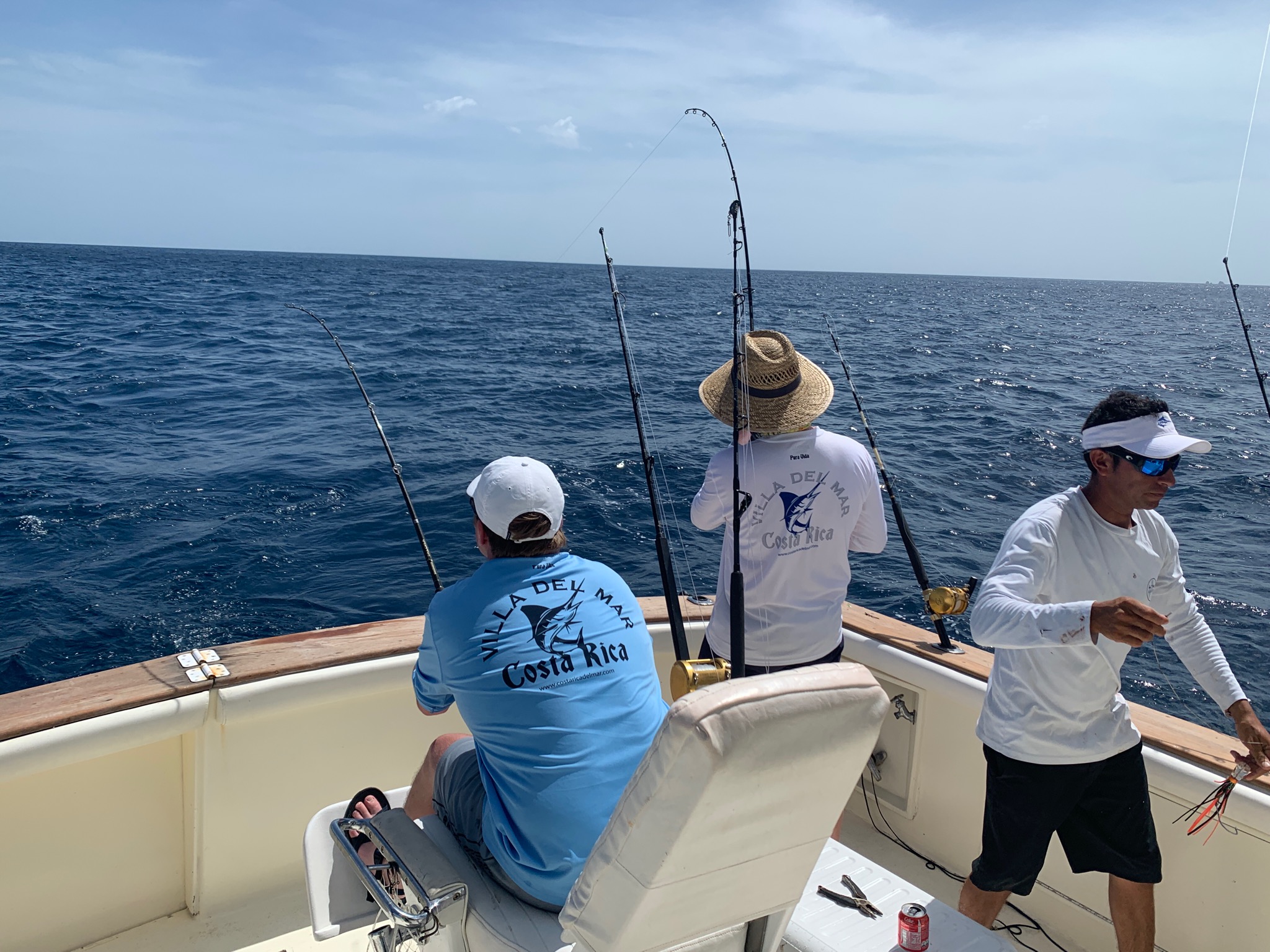
    Costa Rica’s Pacific coast offers incredible biodiversity, stable water temperatures, and nutrient-rich currents, the perfect recipe for world-class fishing. Anglers can target marlin, sailfish, tuna, dorado (mahi-mahi), roosterfish, snapper, and more throughout the year. The Gulf of Papagayo, located near Villa Del Mar, is especially popular thanks to calm conditions and consistent action.

    2. Choose a Licensed, Experienced Charter Crew

    Your guide makes all the difference. Book a charter with a knowledgeable captain who understands local conditions, seasonal patterns, and migration routes. Experienced crews know where to find the fish, how to handle gear safely, and how to accommodate both beginners and pros.

    3. Know What’s in Season

    While Costa Rica offers productive fishing year-round, particular species peak during specific months:

    • Sailfish: December–April
    • Marlin: September–November
    • Yellowfin tuna: Year-round, with best action May–October
    • Dorado (mahi-mahi): May–October
    • Roosterfish & snapper: Year-round inshore

    Planning around these seasons can improve your chances of landing your dream catch.

    4. Pack the Essentials

    Even full-service charters can’t provide everything. Bring:

    • Reef-safe sunscreen
    • Hat and polarized sunglasses
    • Lightweight clothing
    • Insect repellent
    • Water and snacks (if not provided)
    • Dry bag for phones and valuables

    Most boats supply rods, reels, bait, tackle, and safety equipment, but ask your captain to confirm.

    5. Understand Local Waters Before You Go

    Costa Rica’s Pacific coast has a mix of deep offshore waters, rocky reefs, estuaries, and calm bays. Around the Gulf of Papagayo, changing tides and currents can influence where fish gather. Your captain will know the patterns, but having a general understanding will help you appreciate the experience.

    6. Pick the Right Fishing Style for You

    Depending on your interest and experience, you can choose from:

    • Offshore trolling for marlin, tuna, and sailfish
    • Inshore fishing for roosterfish, snapper, and grouper
    • Bottom fishing for amberjack and snapper
    • Live bait drifting for nearshore predators

    Beginners often enjoy inshore fishing since action is steady and conditions are calmer.

    7. Time Your Day Wisely

    Mornings generally offer calmer conditions and better action, especially inshore. Offshore fishing can be productive throughout the day, but full-day trips give you the best chance to reach deeper waters and multiple fishing grounds.

    8. Prepare for Variable Weather

    Even during the dry season, breezes can shift quickly on the Pacific. Bring lightweight waterproof gear and be prepared for spray, heat, and occasional showers. Boats operate year-round, but captains will always prioritize safety based on conditions.

    9. Book Early — Especially in Peak Season

    Fishing charters fill up quickly during December–April. Booking early ensures:

    • The best captains and crews
    • Ideal departure times
    • Options for full-day trips
    • The ability to add extras like lunch or photography services

    If you’re staying at Villa Del Mar, your concierge can help you secure the perfect charter.

    Enjoy the Experience (and the Scenery)

    Even if fishing is new to you, Costa Rica’s coastline, wildlife, and warm water make the day unforgettable. You may spot dolphins, sea turtles, rays, and, during migration, humpback whales. The memories often go far beyond the catch.

    Thinking about a fishing trip during your stay? Villa Del Mar partners with trusted charter crews to ensure a safe, professional, and exciting day on the water. Even better, guests of Villa Del Mar receive an exclusive rate when booking the Luna Sea.

    The post 10 Must-Know Costa Rica Fishing Tips appeared first on Villa Del Mar.

    5 Reasons You Should Travel to Costa Rica

    Costa Rica has long been a favorite for travelers seeking adventure, natural beauty, and warm hospitality. While destinations like Mexico, Brazil, or Peru often receive more attention, Costa Rica offers a unique blend of landscapes and experiences that make it one of the most rewarding places to explore. From volcanic terrain and lush rainforests to pristine beaches and extraordinary wildlife, here are five reasons to make Costa Rica your next getaway.

    Volcanoes and Geothermal Wonders

    Costa Rica’s volcanic landscapes are among its most iconic features. With six active volcanoes and dozens of dormant cones, the country offers endless opportunities for exploration. Arenal Volcano is a favorite, surrounded by hiking trails, wildlife, and natural hot springs that are perfect for unwinding after a day of adventure. Whether you’re exploring craters, waterfalls, or geothermal pools, Costa Rica’s volcanic regions deliver scenery you won’t find anywhere else.

    World-Class Beaches on the Pacific Coast

    Guanacaste’s coastline, often called the “Golden Coast,” is known for its warm water, soft sand, and unforgettable sunsets. Beaches like Playa Flamingo, Tamarindo, and Playas del Coco offer everything from surfing and snorkeling to relaxed afternoons by the shore. If you’re planning a beach-focused getaway, staying at a private villa gives you the freedom to enjoy these shorelines at your own pace without crowds or resort noise.

    Wildlife You Won’t See Anywhere Else

    Costa Rica is one of the most biodiverse places in the world, thanks to its commitment to environmental protection. Whether you’re walking through the forest or relaxing near the coast, you’re likely to encounter incredible wildlife in its natural habitat. Sloths, monkeys, toucans, sea turtles, rays, whales, and countless tropical birds thrive here. Few destinations offer such accessible, respectful wildlife experiences.

    National Parks Filled with Protected Beauty

    More than a quarter of Costa Rica’s land is protected, including the Monteverde Cloud Forest Reserve, home to an astonishing 2.5% of the world’s biodiversity. National parks across the country preserve rainforests, wetlands, volcanoes, and coastal ecosystems. These areas offer guided hikes, canopy tours, ziplining, hanging bridges, and countless opportunities to explore nature responsibly.

    Coffee Culture and Local Experiences

    Costa Rica produces some of the world’s highest-quality coffee, and visiting a plantation is a memorable experience for many travelers. Learn how beans are grown, harvested, and roasted, then take home a bag of fresh Costa Rican coffee. Paired with local cuisine, artisan markets, and cultural events, the country’s vibrant communities add depth and authenticity to any trip.

    Your Home Base in Costa Rica

    If you’re looking for a comfortable, private place to stay during your Costa Rican adventure, consider Villa Del Mar. Located on the Pacific coast in Guanacaste, the villa offers panoramic ocean views, spacious accommodations for up to 16 guests, and all-inclusive amenities including chef-prepared meals, housekeeping, and a dedicated on-site staff. It’s an ideal home base for beaches, national parks, volcanoes, and excursions throughout the region.

    Ready to experience Costa Rica for yourself? Explore Villa Del Mar’s availability and submit a reservation request to start planning your getaway.

    The post 5 Reasons You Should Travel to Costa Rica appeared first on Villa Del Mar.

    Why All-Inclusive Vacations Are a Perfect Fit for Families

    Planning a family vacation can be overwhelming. Choosing the right accommodations, keeping everyone entertained, and ensuring meals and logistics run smoothly often make a trip more work than relaxation. That’s where an all-inclusive villa makes all the difference.

    At Villa Del Mar in Guanacaste, Costa Rica, families enjoy the comfort of a private home paired with the convenience of a full-service resort. With personalized service, chef-prepared meals, daily housekeeping, and exclusive amenities, it’s one of the easiest ways to enjoy a stress-free family getaway.

    Privacy and Space to Truly Unwind

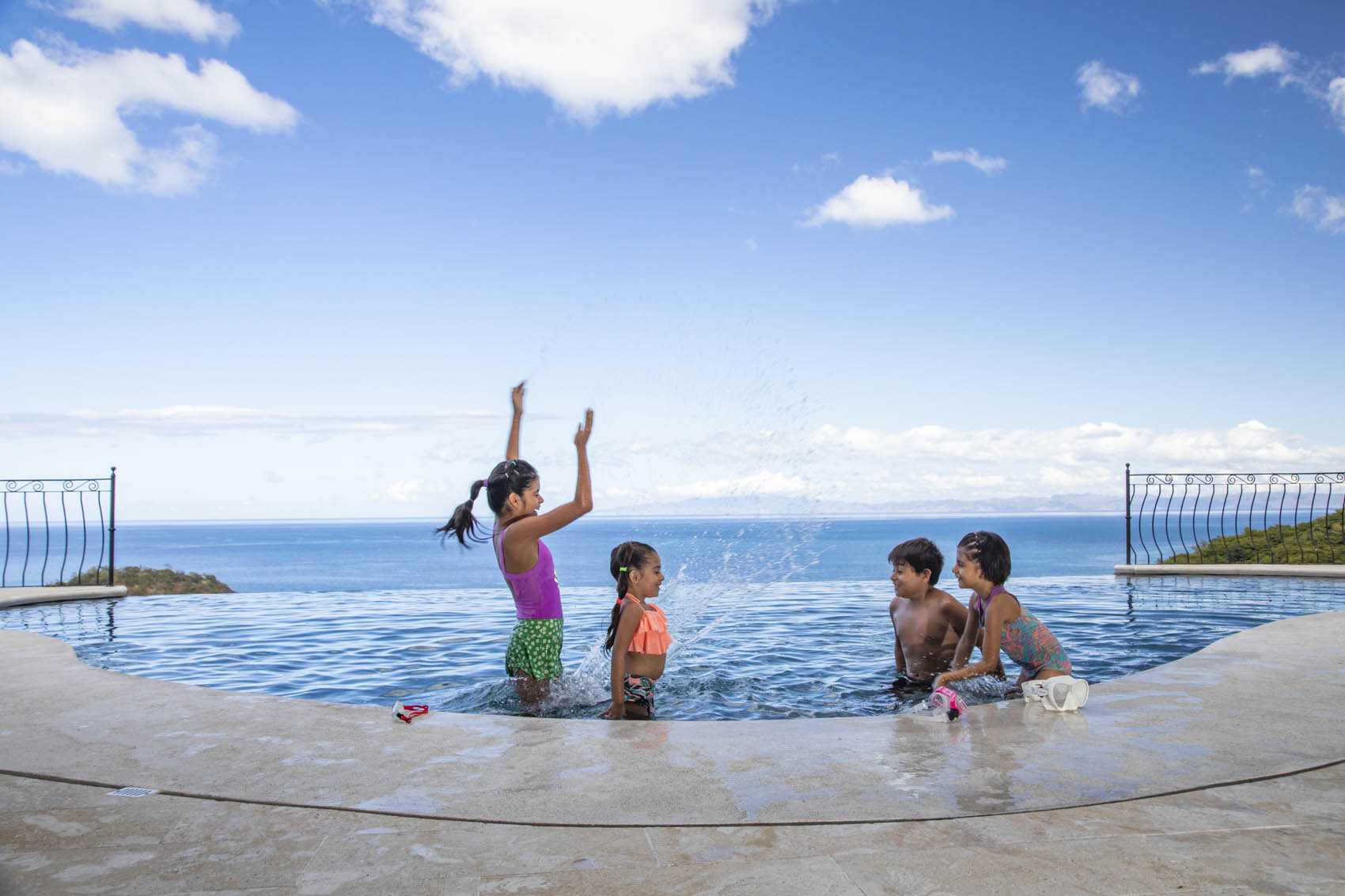
    Waking up early to claim pool chairs? Navigating crowds at the breakfast buffet? Not here. At Villa Del Mar, the entire villa, including the infinity pool, hot tub, outdoor lounge areas, and kitchen, is yours alone. Kids can play freely, adults can relax without interruptions, and everyone enjoys the comfort of a private retreat with room to spread out.

    All the Amenities You Need — Without the Crowds

    Families choosing Villa Del Mar enjoy amenities that rival those of top luxury resorts, including oceanview bedrooms, king-sized beds, an outdoor lounge, and dedicated staff. Your private chef prepares fresh meals daily, your mixologist keeps drinks flowing, and your housekeeping team ensures every space stays tidy. It’s luxury without the lines, shared spaces, or noise of a large hotel.

    Hassle-Free From Start to Finish

    From the moment you land at Liberia International Airport, your trip can be completely hands-off. Airport transfers are available for a smooth arrival, and our concierge can help book activities such as deep-sea fishing, catamaran tours, surfing lessons, ATV adventures, and more. You focus on enjoying time together; we handle the details.

    Perfect for Families of All Ages

    Whether you’re traveling with grandparents, young children, or a mix of ages, an all-inclusive villa makes it easy for everyone to stay together. Villa Del Mar sleeps up to 16 guests across six private suites, giving every member of your group a comfortable place to recharge. For larger celebrations or family reunions, multi-villa stays with partnered properties can accommodate groups of 30+.

    Unforgettable Celebrations and Special Events

    From milestone birthdays and anniversaries to destination weddings, Villa Del Mar offers the perfect setting for life’s biggest celebrations. With ocean views, spacious gathering areas, and a fully staffed villa, your event becomes a personalized, private experience shared only with the people who matter most.

    Ready to simplify your next family vacation? Explore Villa Del Mar’s availability and submit a reservation request for more details.

    The post Why All-Inclusive Vacations Are a Perfect Fit for Families appeared first on Villa Del Mar.

    Why Costa Rica Is the Ultimate Spring Break Destination

    Spring Break is the perfect time to escape the last stretch of winter and trade cold weather for warm ocean breezes. Whether you’re planning a getaway with friends or taking the whole family on an adventure, Costa Rica delivers the ideal mix of sunshine, culture, relaxation, and outdoor exploration. And with all-inclusive amenities and stunning ocean views, Villa Del Mar creates the perfect home base for an unforgettable Spring Break experience.

    Relax by the Pool or Stroll to the Beach

    Spend your days soaking up the sun from your private infinity pool at Villa Del Mar or take a short walk to Playa Ocotal’s calm shoreline. Whether you’re swimming, relaxing with a cocktail, or simply enjoying the sound of the waves, it’s the easiest way to settle into vacation mode.

    Spacious Bedrooms and Panoramic Views

    Villa Del Mar features six oceanview bedrooms, each with an en-suite bathroom, offering plenty of space for up to 16 guests. High ceilings, open living areas, and expansive terraces create the perfect setting for group dinners, sunset gatherings, and late-night conversations overlooking the Pacific.

    Adventures for Every Type of Traveler

    Costa Rica offers the perfect balance of adrenaline and culture. Zipline through the rainforest canopy, explore volcanic landscapes, hike to waterfalls, or spend the afternoon shopping and sightseeing in nearby coastal towns. Whether you’re craving adventure or a slower pace, the region has something for everyone.

    Save on Dining with All-Inclusive Amenities

    Traveling with a group often means high food and beverage costs, but not at Villa Del Mar. Your stay includes freshly prepared meals from our private chef, daily housekeeping, refreshing cocktails, and personalized service from a dedicated on-site staff. It’s convenience, comfort, and incredible value in one private villa experience.

    Thinking about Spring Break in Costa Rica? Explore Villa Del Mar’s availability and submit a reservation request to begin planning your trip.

    The post Why Costa Rica Is the Ultimate Spring Break Destination appeared first on Villa Del Mar.